HIV Explained: Causes, Symptoms & Treatment Options
Human Immunodeficiency Virus (HIV) is a serious condition that affects millions of people worldwide. HIV has slowly made itself publicly known through awareness campaigns; however, even as the level of coverage of HIV has grown throughout time, many people do not understand what transmission is, what signs & symptoms are associated with the virus and how new medical technologies will help people affected live healthier lives. Early diagnosis and proper medical care play a major role in managing HIV and preventing complications.
What Is HIV ?
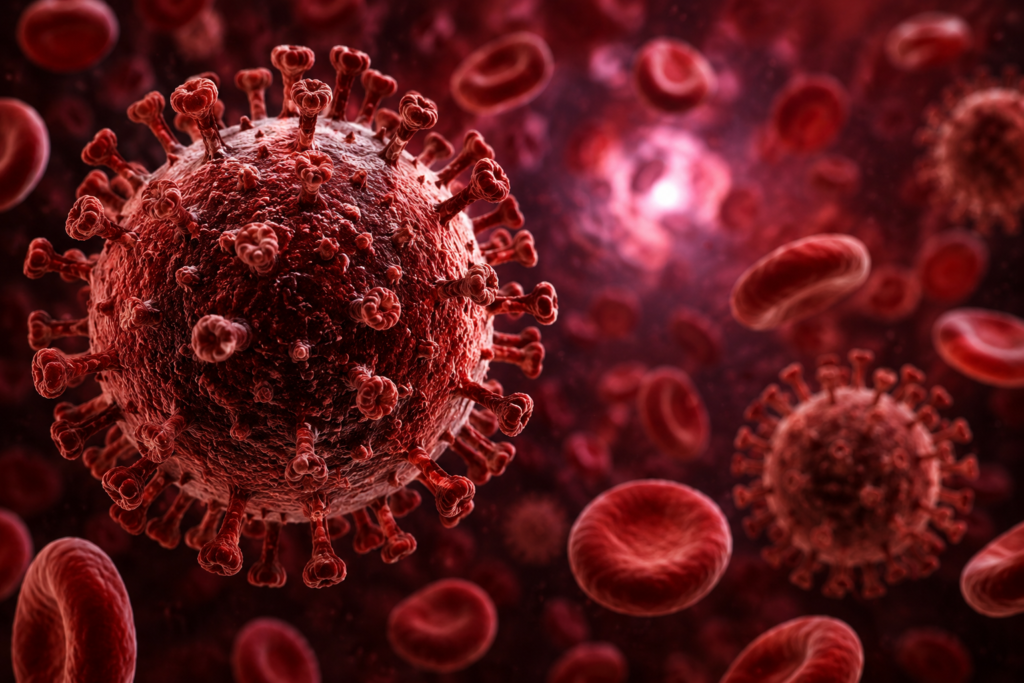
HIV is a virus that harms the immune system’s ability to resist infection. HIV is transmitted through contaminated blood, semen, vaginal secretions, or breast milk typically by having unprotected sex with an infected person or sharing injection needles. The early symptoms of the disease include fever, sore throat, feeling weak, rash on skin, and swollen lymph nodes. If not treated, HIV will destroy your CD4 immune cells and cause people to be at high risk for developing serious infections.
HIV mainly targets the body’s CD4 cells, also known as T-cells, which help fight infections. As these cells decrease, the body becomes less capable of protecting itself against diseases.
Common Causes of HIV
HIV spreads through certain body fluids from an infected person. The most common causes include:-
- Mother-to-child transmission during pregnancy, birth, or breastfeeding
- Exposure to infected blood through medical accidents
- Sharing needles or syringes
- Infected blood transfusions
- Unprotected sexual contact
You should be aware that HIV is not transmitted through casual interaction/close contact, such as hugging, handshaking/holding hands or through sharing food, nor does HIV spread by way of mosquito bites.
Early Symptoms of HIV
The first stage of HIV infection usually has mild symptoms for many people, although they typically emerge about 2–4 weeks following exposure, and may be similar to a flu-like illness.
Common Early HIV Symptoms:-
- Fever
- Fatigue
- Sore throat
- Headaches
- Skin rashes
- Muscle aches
- Swollen lymph nodes
- Night sweats
Some individuals do not have any noticeable symptoms for years; thus, it is extremely important to have an HIV test following possible exposure.
How HIV Affects the Body
As HIV progresses, it slowly damages the immune system. Without treatment, the virus can advance to Acquired Immunodeficiency Syndrome (AIDS), the most severe stage of HIV infection.
When immunity becomes weak, patients are more likely to develop:
- Tuberculosis (TB)
- Pneumonia
- Fungal infections
- Certain cancers
- Chronic fever
- Severe weight loss
- Persistent diarrhea
There is a higher likelihood of opportunistic infections developing in people living with weakened immune systems due to insufficient function.
HIV Treatment Options
In today’s world, HIV is still not completely curable but recent advancements in technology allow us to help control the virus with our treatment strategies. ART is the main form of treatment used to treat HIV patients; this method involves giving the patient a combination of 3 or more different medications.
ART works by:
- Reducing the amount of virus in the body
- Protecting the immune system
- Preventing disease progression
- Lowering the risk of transmitting HIV to others
With proper treatment and regular medical care, many HIV patients live long and healthy lives.
How to Prevent HIV
Preventing HIV starts with awareness and safe practices.
Effective Prevention Tips:
- Avoid sharing needles
- Get regular HIV testing
- Practice protected sex
- Use preventive medications when recommended
- Ensure safe blood transfusions
- Seek medical advice after possible exposure
Education and early medical intervention remain the best defenses against HIV.
Final Thoughts
When diagnosed in time and appropriately treated, HIV is considered a manageable health issue. Understanding the causes, symptoms, and treatment methods of HIV will help you know more about it, help reduce your fear of it, and give you the knowledge and confidence to seek medical help sooner rather than later. Taking regular tests for HIV, practicing safe methods of sexual activity, and finding experts who treat HIV are very important steps toward keeping yourself healthy and supporting people who have HIV.
If you are experiencing symptoms or need expert infectious disease care, the specialists at USA Infections can help with accurate diagnosis, advanced treatment, and long-term HIV care to improve your health and quality of life.